
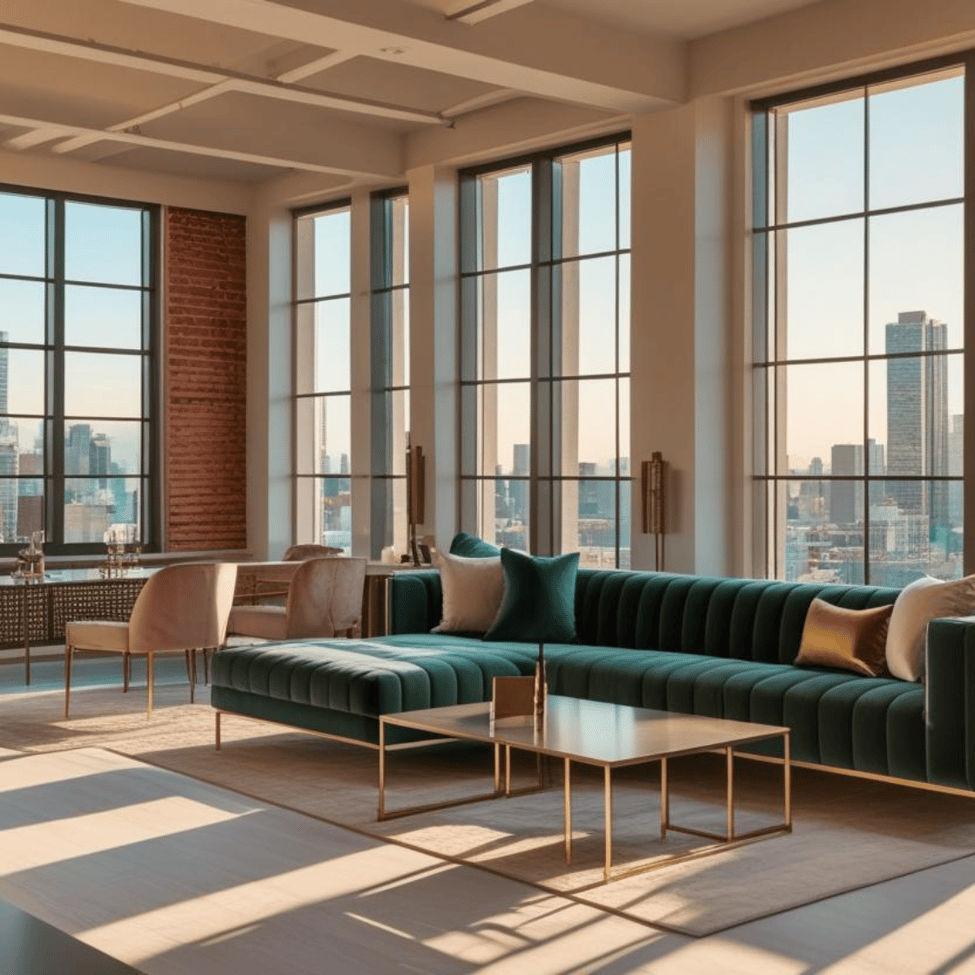
Commercial to Residential Conversions: Turning Office Buildings into Apartments
As urban landscapes evolve, one of the most interesting real estate trends to emerge in recent years is the transformation of commercial office buildings into residential apartments. This shift is reshaping city skylines and providing new solutions to growing housing demands, especially in downtown cores where space is limited and office vacancies have risen.

Why the Shift?
Several forces are driving the move from office to residential use:
- Remote Work Revolution: The COVID-19 pandemic accelerated remote work, leaving many companies downsizing or abandoning large office spaces. As hybrid and remote models become permanent, office vacancy rates have climbed—particularly in central business districts.
- Housing Shortages: At the same time, urban centers across North America face serious housing shortages and rising rental prices. This imbalance between supply and demand has put pressure on cities to find creative ways to repurpose existing infrastructure.
- Urban Revitalization: City planners and developers are now seeing underused office buildings as opportunities to revitalize neighborhoods by increasing foot traffic, supporting local businesses, and adding life to empty commercial zones.
Benefits of Conversion Projects
- Faster Development Timelines:
Converting an existing structure is often quicker than building from the ground up. The core framework, parking, and utilities are already in place, which reduces overall construction time. - Environmental Impact:
Adaptive reuse is considered more sustainable than demolition and new construction. By preserving much of the existing structure, developers reduce construction waste and the carbon footprint. - Cost Savings:
Although not always cheaper, repurposing can be more cost-effective depending on the condition of the building and local zoning laws. Incentives from governments and municipalities also play a role in reducing expenses. - Preservation of Architecture:
Older office buildings often come with distinctive facades or historical elements that, when restored, add unique charm and value to the new residential units.
Challenges to Consider
While the trend is promising, commercial-to-residential conversions aren't without their hurdles:
- Zoning and Regulation:
Not all office buildings are zoned for residential use. Developers often face lengthy approval processes to change zoning or meet residential building codes. - Structural Design Limitations:
Office buildings typically have deep floor plates, which can create units with limited natural light or awkward layouts. Elevators, plumbing, and ventilation systems also need significant reworking to meet residential standards. - Financial Feasibility:
Even with government incentives, not all conversions are financially viable. The cost of retrofitting, dealing with asbestos, or meeting accessibility requirements can add up quickly.

Cities Leading the Way
Cities like Calgary, Toronto, New York, and San Francisco have all launched programs to encourage such conversions. For example, Calgary recently introduced a downtown incentive program offering grants to developers who repurpose vacant office towers into residential buildings. This initiative has already begun attracting interest from both investors and residents seeking affordable downtown living.

The Future of Urban Living
Commercial-to-residential conversions are part of a broader rethinking of how cities function post-pandemic. Mixed-use neighborhoods—where people can live, work, and socialize without long commutes—are becoming the new ideal.
As we look to the future, these projects could serve as blueprints for more adaptive, flexible, and human-centered urban development.
Conclusion
The conversion of office buildings into residential apartments is not just a trend—it’s a smart response to shifting economic, social, and environmental needs. For investors, developers, and city planners alike, it's a compelling opportunity to meet housing demand while breathing new life into underused urban infrastructure.